Dog Lab Work in Granbury, TX
At Acton Animal Hospital, lab work helps us see what is happening inside your dog, beyond what an exam alone can show. It gives your veterinarian clear information to guide every care decision.
Understanding Dog Lab Work
Lab work is a group of tests run on small samples of blood, urine, stool or cells. A complete blood count looks at red cells, white cells and platelets, which can point to anemia, infection or inflammation. A chemistry panel checks values tied to the liver, kidneys, pancreas, blood sugar and electrolytes. A urinalysis adds detail about the kidneys and urinary tract, a fecal exam looks for intestinal parasites, and cytology lets us study cells from the skin, ears or a lump under the microscope.
Dogs can’t tell us when something feels off, and many illnesses develop quietly. Kidney disease, liver problems and diabetes may not cause obvious signs until they are well along. Results taken while your dog is healthy also become a personal baseline, so small shifts stand out on future tests.
What to Expect During Your Dog’s Lab Work
Here’s how lab testing typically goes for dogs we see at our Granbury hospital.
A Conversation and an Exam
Your veterinarian starts by talking with you about your dog’s health, habits and any changes you have noticed. A physical exam helps decide which tests make the most sense right now, whether that is a routine screening panel or tests aimed at a specific concern.
Collecting the Samples
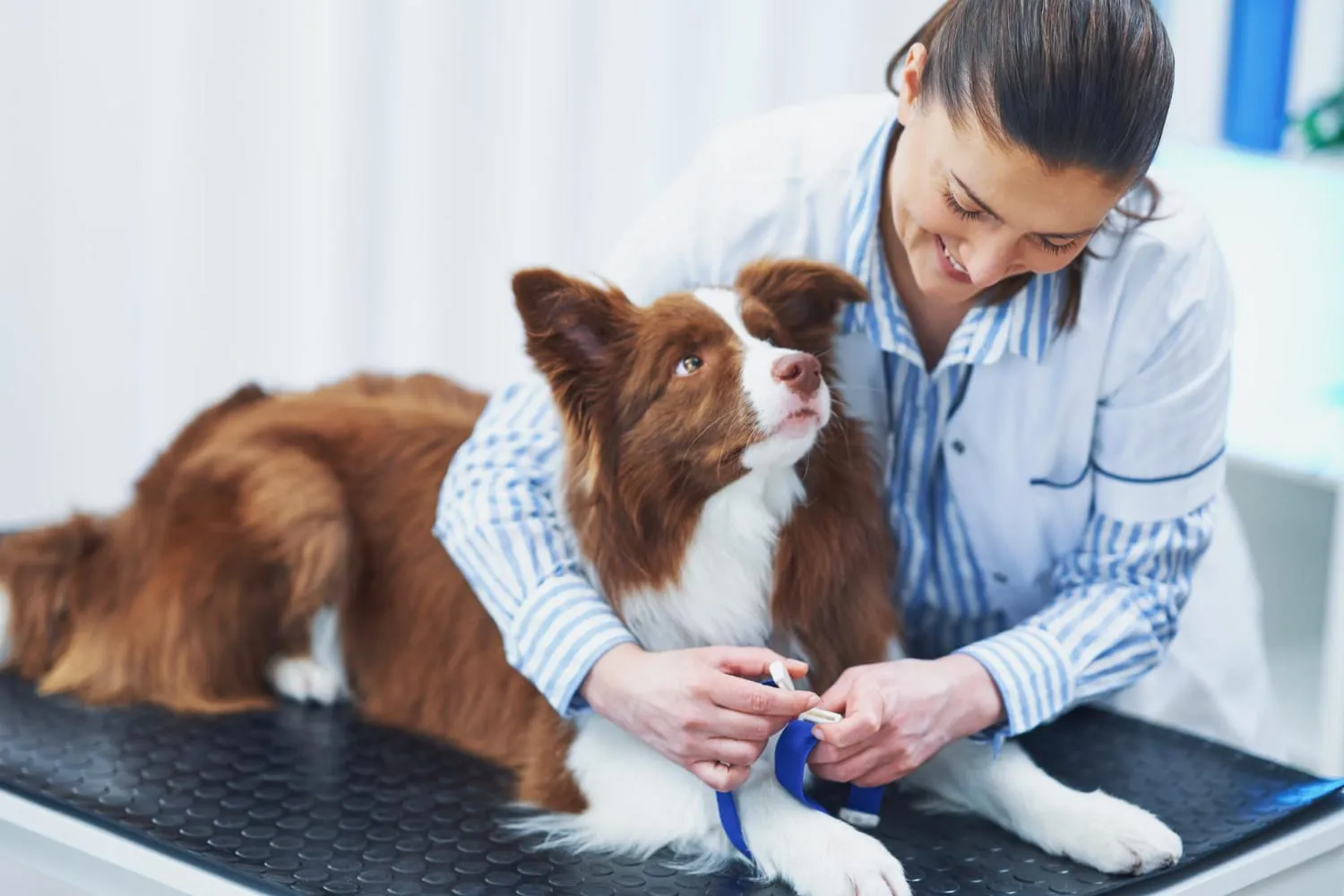
A team member collects a small blood sample using gentle, low-stress handling. If a urine, stool or cell sample is needed, we will explain how it is gathered or ask you to bring one from home.
Running the Tests
The samples are analyzed, and your veterinarian reviews every value. Each result is compared to normal ranges and to your dog’s earlier results when we have them.
Going Over the Results
We walk you through what the numbers mean in plain language. If something needs a closer look, your veterinarian will explain the next steps, which may include repeat testing or additional diagnostics.
Why Lab Work Is Important for Your Dog
Regular testing gives your veterinarian more to work with at every stage of your dog’s life.
Catching Problems Early
Finding a change before signs appear often gives your dog more treatment options and a smoother path forward. Many serious conditions are easier to manage when they are found before your dog feels sick.
Planning for Anesthesia
Checking organ function before surgery or a dental cleaning helps your veterinarian plan anesthesia that suits your dog. It also helps the team choose fluids and medications with your dog’s organ health in mind.
Tracking Ongoing Conditions
For dogs on long-term medication or living with a chronic condition, repeat tests show how the body is responding. Your veterinarian can then adjust doses or treatment based on real numbers rather than guesswork.
Signs Your Dog May Need Lab Work
Along with routine screening, testing is often recommended when you notice changes like these:
- Drinking or urinating more than usual
- Eating less, or losing weight without a change in diet
- Vomiting or diarrhea that keeps coming back
- Low energy or less interest in walks and play
- Pale gums, or new lumps and bumps
- Your dog is moving into the senior years
If any of these sound familiar, call us and we’ll help you decide on the right next step.
How Often Should Your Dog Receive Lab Work?
Your veterinarian will recommend a testing schedule based on your dog’s age, health and lifestyle. Many healthy adult dogs have screening as part of their wellness care, while seniors and dogs on long-term medication are often checked more frequently. If your dog seems unwell, testing may be recommended right away.
Practice Highlights
Here’s what dog owners can expect from Acton Animal Hospital in Granbury:
- Two veterinarians: Dr. Richard Gesell and Dr. Kristina Gesell
- Board-certified care, Dr. Kristina Gesell is a Diplomate of the ABVP in canine and feline practice
- Gentle handling, for calmer visits
- Online booking, through our Pet Portal
- Payment options, Trupanion paid directly at checkout, plus CareCredit, Scratch Pay and Cherry financing
- Local to Granbury, on Fall Creek Hwy, serving Hood, Johnson and Somervell counties
Schedule Your Dog’s Lab Work Appointment Today
Whether it’s time for routine screening or you have a specific concern, our Granbury team is glad to help. Visit us at 2900 Fall Creek Hwy, Granbury, TX 76049, call (817) 326-3400, or book online whenever it suits you.
Common questions about Dog Lab Work
Still wondering about something? Give us a call and we'll talk it through.
What is included in dog lab work at Acton Animal Hospital?
Depending on your dog’s needs, lab work may include a complete blood count, a chemistry panel, a urinalysis, a fecal exam for parasites and cytology of skin, ear or lump samples. Your veterinarian chooses the tests based on your dog’s age, history and exam findings, and explains why each one is recommended before anything is run.
How much does lab work for my dog cost?
The cost depends on which tests your dog needs, and that varies from dog to dog. A routine screening panel looks different from testing for a specific concern, such as vomiting or weight loss. Call us and we’ll be happy to give you an estimate once we know more about your dog’s situation.
How should I prepare my dog for lab work?
When you book, ask whether your dog should skip a meal beforehand, since some blood values are easier to read after a fast. Bring a list of any medications or supplements your dog takes. If a urine or stool sample is needed, we can tell you how to collect it and keep it fresh until the visit.
What can blood work tell my veterinarian about my dog’s health?
A complete blood count looks at red cells, white cells and platelets. A chemistry panel includes kidney markers such as BUN and creatinine and liver enzymes such as ALT, which show how those organs are working. Routine blood work also builds a baseline, so trends over the years can flag problems before your dog shows obvious signs. Source: AAHA
How do I schedule lab work for my dog?
Call us at (817) 326-3400 or book online. Our hospital is at 2900 Fall Creek Hwy, Granbury, TX 76049. Our current hours are on our contact page. If your dog seems unwell, mention it when you call so we can plan the visit around their needs.
Have a question? We're glad to help.
Call us or book online, and our team will take it from there.