

Cat Dermatology and Allergy Care in Granbury, TX
Acton Animal Hospital helps cats with itchy, irritated or patchy skin get to the root of the problem. A clear diagnosis is the first step toward lasting comfort.
Understanding Skin Problems and Allergies in Cats
The skin is your cat’s largest organ. It shields the body and helps regulate temperature, so skin trouble can affect your cat’s whole sense of well-being. Common causes include allergies to flea bites, food or things in the environment, along with parasites such as fleas and ear mites, bacterial or fungal infections and, less often, more serious disease such as certain cancers.
Cats tend to keep discomfort to themselves. Instead of scratching where you can see, many cats overgroom in private, which can leave thin fur or bald patches. Because so many skin conditions look alike, guessing at home often delays the right treatment. Some conditions clear up with treatment, while others, such as certain allergies, need ongoing management.
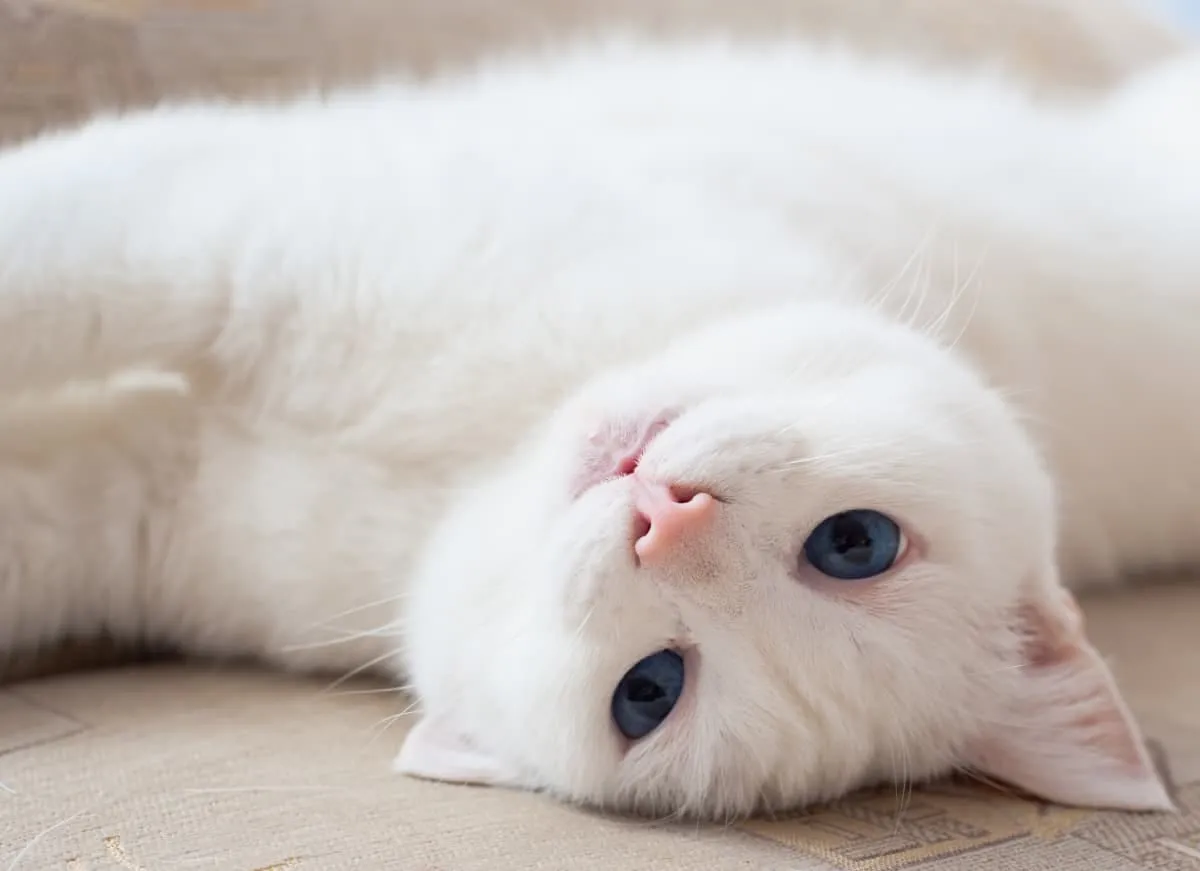
What to Expect at Your Cat’s Skin and Allergy Visit
Our Granbury team takes a step-by-step approach to sorting out your cat’s skin trouble.
Talking Through the History
Your veterinarian asks about your cat’s diet, indoor or outdoor life, flea control, other pets in the home and when the problem began. Changes in the home, such as a new litter or detergent, can matter too.
A Close Exam
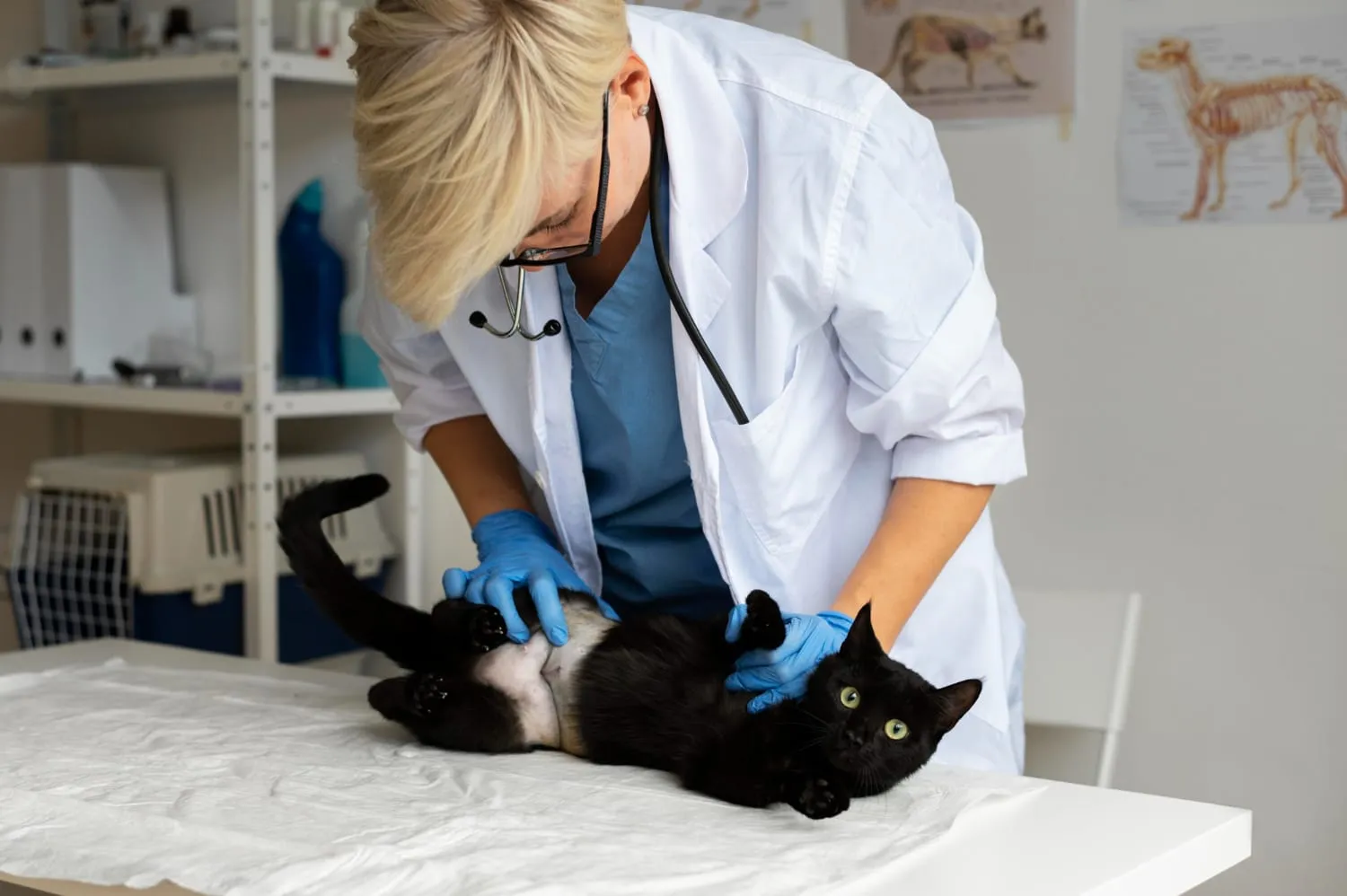
We look over the skin, coat, ears and mouth for redness, scabs, hair loss and signs of parasites, using gentle handling throughout. Where the problem appears on the body can point toward the cause.
Diagnostic Tests
Depending on what we find, tests may include skin scrapings, hair samples under the microscope, cultures, blood and urine tests, specialized skin tests or a biopsy.
A Treatment Plan
Treatment may include medicated shampoos or ointments, oral medication, flea control, a diet change or adjustments at home to reduce irritants. Your veterinarian explains each step.
Why Skin Care Is Important for Your Cat
Skin problems rarely fix themselves, and early care keeps them from getting worse.
Ending the Itch Cycle
Scratching and overgrooming damage the skin, which leads to more itching. Treatment helps break that cycle so the skin can heal.
Preventing Infection
Broken skin invites bacteria and fungus. Prompt care lowers the chance of secondary infections, which can be harder to treat once they take hold.
Clues to Other Health Issues
Skin changes sometimes point to a problem elsewhere in the body, so an exam can catch more than a rash. Your veterinarian looks at your cat’s overall health, not only the skin.
Signs Your Cat May Need Skin or Allergy Care
Look for these signs, including the quiet ones:
- Licking, chewing or pulling out fur
- Bald patches or thinning fur
- Scabs, bumps, redness or flaky skin
- Pawing at the ears or face
- Rubbing against furniture or carpet more than usual
- Sleeping more or eating less
If your cat’s skin or grooming habits have changed, call us and we’ll help you find answers.
How Often Should Your Cat Receive Skin and Allergy Care?
That depends on the cause. Your veterinarian will recommend follow-up visits based on your cat’s age, health and lifestyle, and on how the skin responds to treatment. Cats with long-term allergies often benefit from regular rechecks, while a simpler problem may need only a follow-up to confirm it has cleared.
Practice Highlights
Acton Animal Hospital helps Granbury cats get comfortable in their own skin:
- Board certified in canine and feline practice, Dr. Kristina Gesell, Diplomate, ABVP
- Gentle handling, for calmer visits
- After-hours triage, through our main number
- Online booking, through our Pet Portal
- On Fall Creek Hwy in Granbury, serving Hood, Johnson and Somervell counties
Schedule Your Cat’s Dermatology and Allergy Appointment Today
If your cat is itchy, losing fur or grooming more than usual, our Granbury team can help you find the cause. Visit us at 2900 Fall Creek Hwy, Granbury, TX 76049, call (817) 326-3400, or book online.
Common questions about Cat Dermatology/Allergies
Still wondering about something? Give us a call and we'll talk it through.
What does cat dermatology and allergy care at Acton Animal Hospital involve?
It begins with a detailed history and a careful exam of your cat’s skin, coat and ears. Your veterinarian may recommend tests such as skin scrapings, cultures, blood work or a biopsy to find the cause. Treatment is then matched to that cause, from medicated shampoos and topical products to oral medication, flea control or diet changes.
How much will my cat’s skin treatment cost?
Costs depend on what is causing the problem, which tests are needed and how your cat responds. A flea allergy is handled differently than a long-term allergic condition or an infection. Call us, and once we understand your cat’s situation we can give you an estimate.
How should I prepare for my cat’s skin appointment?
Note when the problem started and any changes in food, litter, cleaning products or household routines. Bring a list of flea products and medications you have tried, including any that didn’t help. If your cat overgrooms in private, photos of bald spots or scabs can help your veterinarian.
What causes skin disease in cats?
Feline skin disease has many possible causes, including allergies to flea bites, food, inhaled substances or things your cat touches. Parasites such as fleas and ear mites, bacterial infections, abscesses, acne and drug reactions are on the list too. Diagnosis relies on history, a physical exam and tests to rule out specific causes. Source: Cornell CVM
How do I schedule a skin or allergy visit for my cat?
Call us at (817) 326-3400 or book online. Our hospital is at 2900 Fall Creek Hwy, Granbury, TX 76049. Our current hours are on our contact page. Let us know your cat’s main symptoms when you book.
Have a question? We're glad to help.
Call us or book online, and our team will take it from there.